
Restaurants Paris 2026 : manger sans gluten, lactose et vegan
Vous êtes intolérant au gluten, au lactose et végétalien — et vous voulez déjeuner à Paris sans passer la[…]

Dress code lieux de culte moins connus de Paris 2026
Vous poussez la porte de l’église copte Saint-Marc du XVe arrondissement un dimanche matin, bermuda aux genoux et épaules[…]
Restaurants halal à Paris : guide par arrondissement 2026
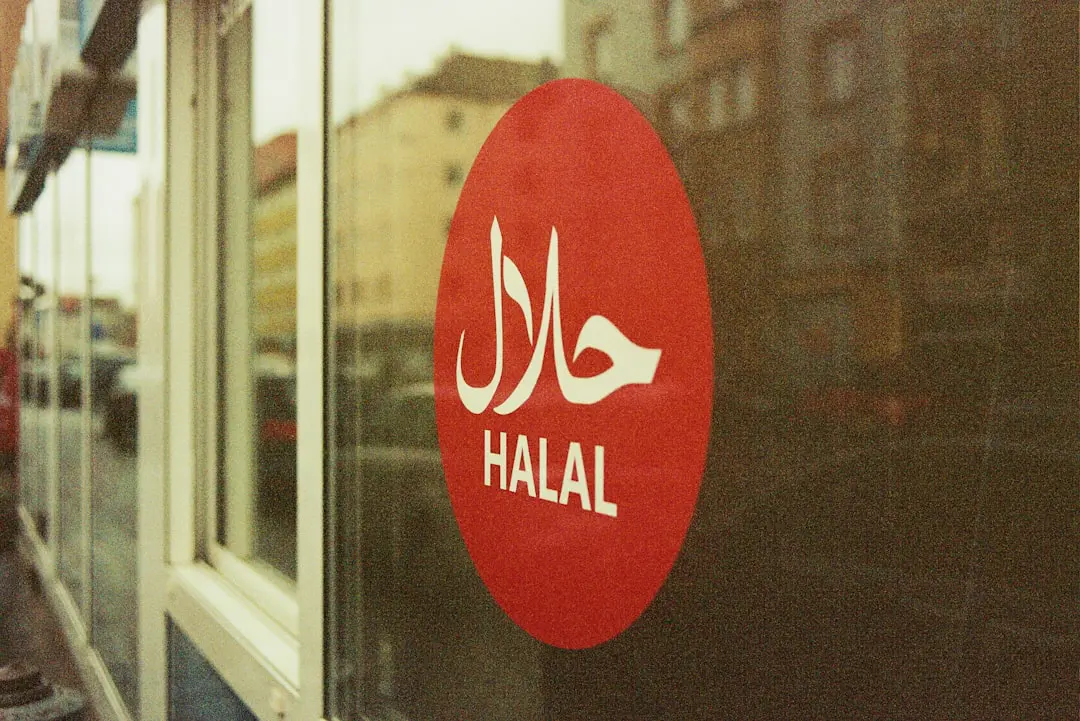
Paris compte aujourd’hui plus de 1 500 établissements se réclamant de la cuisine halal, mais entre un restaurant qui[…]

Restaurants sans gluten et vegan à Paris : guide 2026
Naviguer les menus parisiens avec une double contrainte — intolérance au gluten et régime vegan — relevait encore il[…]

Visiter Paris en 1 jour à pied : itinéraires 2026
Vous avez exactement une journée. Pas question de perdre 45 minutes à chercher un ticket de métro ou à[…]

Restaurants Paris accessibles fauteuil roulant 2026
Vous avez réservé un week-end à Paris, vous êtes en fauteuil roulant ou accompagnez une personne à mobilité réduite,[…]

Quelle tenue porter pour visiter Paris selon la saison ?
Vous avez réservé votre séjour à Paris, vos musées sont dans l’agenda, votre itinéraire est bouclé — et soudain,[…]

Camping à Paris intra-muros : adresses, tarifs 2026
Table of Contents Toggle Dormir sous une tente à deux pas de la Tour Eiffel, c’est possible Peut-on vraiment[…]

Restaurant Halal Paris Pas Cher : 15 Adresses Testées
Table of Contents Toggle Guide complet : où manger à Paris avec un petit budget et des restrictions alimentaires[…]
Marly-blog
Découvrez Marly-le-Roi à travers les yeux passionnés de notre équipe de rédaction.
Notre blog explore la richesse culturelle, les trésors cachés et les récits authentiques de cette charmante ville. Plongez dans nos articles pour une immersion locale unique, où l’amour pour Marly-le-Roi prend vie à chaque ligne. Bienvenue dans une exploration captivante et informée de cette destination exceptionnelle.

La Rédac’
Notre équipe de rédaction : explorateurs urbains, raconteurs d’histoires, et amoureux inconditionnels de Marly-le-Roi. Parce que découvrir cette ville, c’est comme dénicher des trésors cachés à chaque coin de rue!

Nico Alias Leroy

Philippe Aka Phil
Envie d’échanger ou juste prendre un café ?
Prêt à partager vos découvertes ou à poser des questions sur Marly-le-Roi ? Frappez à notre porte virtuelle et laissez-nous transformer chaque message en une nouvelle aventure à explorer ensemble!